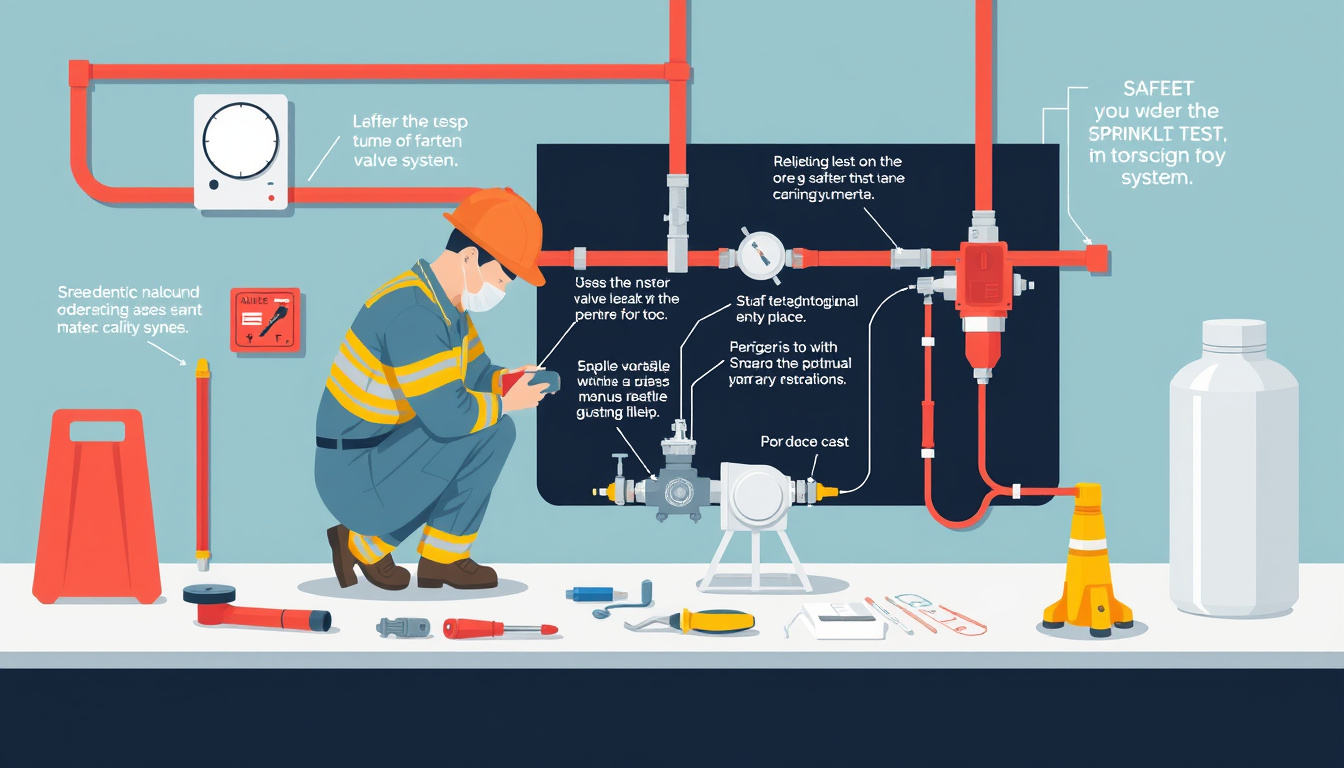
Sprinkler systems are vital for maintaining healthy landscapes, but leaks, particularly around valves, can waste water, increase utility bills, and cause water damage. Performing a valve leak test on your sprinkler system is key to identifying issues early and ensuring the system runs efficiently and safely. This comprehensive guide explains how to conduct a sprinkler system valve leak test, how to interpret results, and what to do if leaks are detected.
Understanding Sprinkler System Valve Leaks
Sprinkler valves control the flow of water to irrigation zones, turning sprinklers on and off as needed. A valve leak often manifests as water weeping or leaking even when the valve is in the "off" position. Two common causes of valve leaks include:
-
Low Head Drainage: Water drains from the lateral pipe through the lowest sprinkler heads, causing dripping after the valve closes. This is not a valve leak but rather residual water releasing from pipes.
-
Valve Diaphragm Issues: Debris or damage to the valve’s diaphragm may cause it to not fully close, allowing water to leak through the valve even when it should be off.
Recognizing these causes helps inform the testing and troubleshooting process.
Signs Your Sprinkler System Valve May Be Leaking
- Continuous Water Flow After Valve Closes: Sprinkler heads or the valve box continue to leak water.
- Wet or Soggy Areas Near Valve Boxes: Standing water or saturated soil around control valves.
- High Water Bills: Increased water use during irrigation season without changes in watering habits.
- Pressure Drop: Sprinklers spraying irregularly or with reduced pressure.
- Noise: Hissing or running water sounds near valve boxes when system is off.
How to Perform a Sprinkler System Valve Leak Test
Materials Needed
- Screwdriver or valve box key
- Clean water source for rinsing parts
- Pressure gauge (optional but recommended)
- Replacement valve diaphragm or valve kit (if needed)
- Check valves (if required)
- Towels or rags for cleanup

Step 1: Conduct a Visual Inspection
- Open valve boxes to check for pooling water.
- Inspect valves and nearby piping for signs of corrosion or damage.
- Look for debris around the valve’s diaphragm by disassembling the valve if comfortable.
Step 2: Manual Valve Operation Test
- Turn off the irrigation controller to ensure all valves are in the “off” position.
- Open each valve box, and manually activate valves (if manual override is available).
- Observe if any water leaks or drips when valves are off.
- Note which zones exhibit leak symptoms.
Step 3: Low Head Drainage Identification
- Run the zone and then turn it off.
- Watch the sprinkler heads for any water dripping out.
- If water continues draining only shortly after valve closure (usually from the lowest heads), this is low head drainage, not a valve leak.
- Solution: Install check valves at sprinkler heads or lateral lines to prevent drainage.
Step 4: Isolating Valve Leaks
- If water drips persist beyond low head drainage timing, suspect valve leakage.
- Disassemble the according valve.
- Rinse all components with clean water to remove debris.
- Inspect the valve diaphragm and seals for damage or wear.
- Replace any damaged parts and reassemble.
- Retest valve operation for leaks.
Step 5: Pressure Testing (Optional but Recommended)
- Attach a pressure gauge to measure water pressure before and after the valve.
- Significant pressure loss when valve is closed indicates leakage.
- Pressure should hold steady if the valve seals properly.
What to Do When a Valve Leak Is Found
- Clean and reassemble the valve as described above.
- Replace the diaphragm or valve assembly if cleaning does not resolve the leak.
- Install check valves on sprinkler heads to address low head drainage issues.
- If the valve box is corroded or damaged, replace the entire valve to prevent recurring leaks.
- For persistent or complex leaks, consider consultation with a professional irrigation technician.
Preventative Tips to Reduce Future Valve Leaks
- Schedule regular sprinkler maintenance and valve inspections, especially at the start and end of irrigation seasons.
- Ensure proper installation of valves and use quality components designed for your system.
- Keep valve boxes clear of debris and standing water to reduce corrosion.
- Utilize smart irrigation controllers with flow monitoring for early leak detection.
Conclusion
Performing a sprinkler system valve leak test is an essential practice for maintaining an efficient and safe irrigation system. By following systematic inspection, manual testing, and pressure assessments, you can accurately identify leaks caused by valve malfunctions or other system issues. Early detection and repair prevent water waste, reduce costly utility bills, and protect your landscape and property. Incorporate these testing steps into your irrigation maintenance routine to enjoy long-lasting, leak-free sprinkler performance.
References:
- Upper Trinity Regional Water District: How to Check for Leaks in Your Sprinkler System
- Hunter Industries: Valve Weeping and Leak Troubleshooting
- Bluebot Smart Water Meter: How to Find a Leak in Your Sprinkler System – DIY Guide
By mastering the sprinkler system valve leak test, you ensure your irrigation system’s longevity, conserve water, and safeguard your landscape investment.
5280 Sprinklers – specializing in irrigation maintenance and repair in and around Denver, Colorado