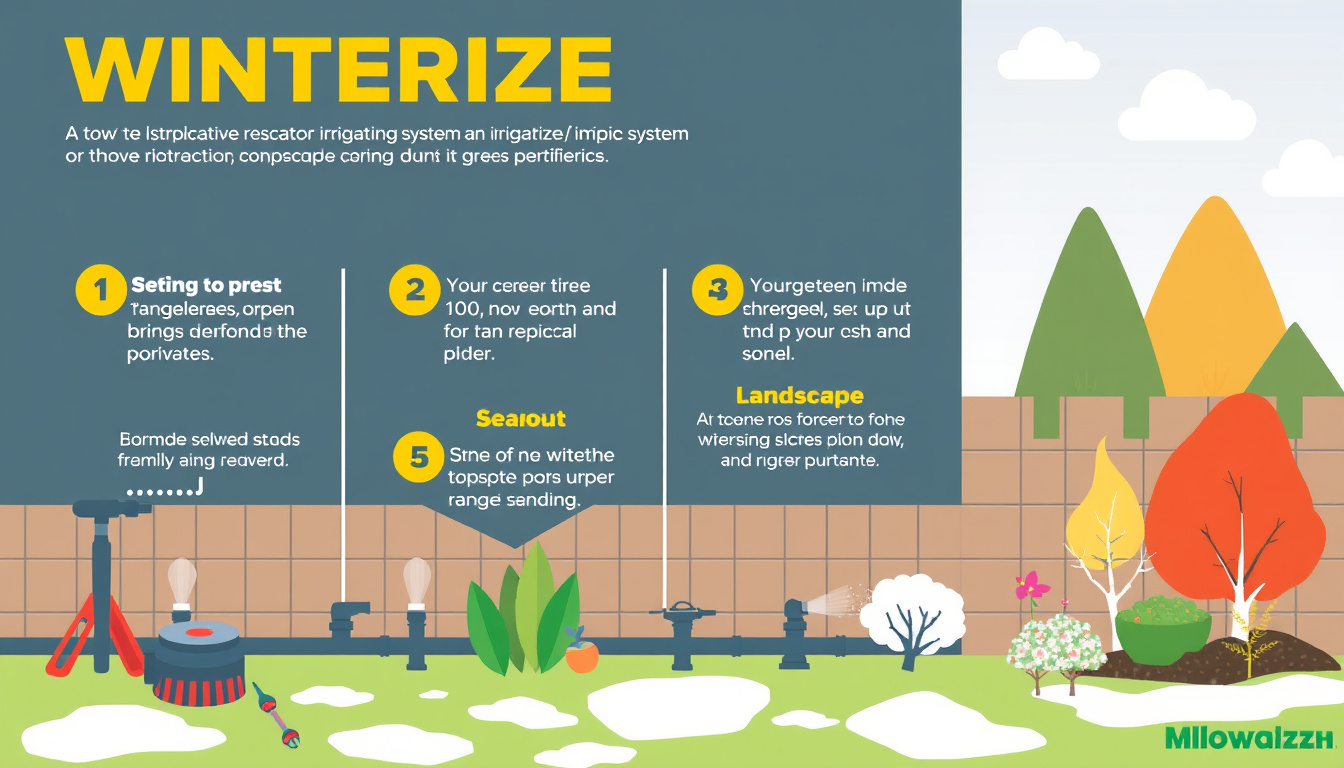
As the chill of winter approaches, protecting your irrigation system from freeze damage becomes a crucial part of landscape maintenance. One of the most effective ways to safeguard your irrigation components and pipes is through an “irrigation system blowout”—a process designed to remove all water from your system before freezing temperatures set in. This guide will walk you through the essentials of performing an irrigation blowout safely and efficiently, ensuring your landscape stays healthy and your sprinkler system lasts for years to come.

Why Perform an Irrigation System Blowout?
In colder climates where frost penetrates below the surface, water trapped inside irrigation pipes can freeze, expand, and cause cracks or bursts in rigid PVC or even flexible polyethylene piping. Beyond pipes, freezing water can damage backflow preventers, valves, sprinkler heads, and sensors, leading to costly repairs and disruptions in your irrigation schedule. Performing a blowout removes residual water and prevents freeze damage, essentially "putting your irrigation system to bed" for winter.
Understanding Common Winterization Methods
Manual Drain Method
Some irrigation systems are equipped with manual drain valves at low points or ends of pipes. Winterizing involves:
- Shutting off the irrigation water supply.
- Opening all manual drain valves to release water.
- Draining water between the irrigation shutoff valve and backflow preventer.
- Opening test cocks on backflow devices.
- Pulling up sprinkler bodies with check valves to let water drain.
- Once draining is complete, closing all manual drain valves.
Note: This method is only suitable if your system was designed for it. Improper use can leave water trapped, risking freeze damage.
Blowout Method
The blowout method is widely recommended for comprehensive winterization, especially in systems without manual drains. It uses compressed air to force water out of pipes and sprinkler heads.
How to Perform a Safe and Effective Irrigation Blowout
Blowing out a sprinkler system requires caution, proper equipment, and attention to safety protocols. Here’s a step-by-step approach to follow.
Equipment Needed:
- Air compressor (ideally with a large tank, e.g., 50-70 gallons).
- Pressure regulator.
- Blowout adapter (for connecting compressor to irrigation system).
- ANSI-approved safety eye protection.
Safety First
- Always wear safety goggles to protect from flying debris.
- Never stand directly over irrigation components during blowout.
- Do not exceed maximum recommended air pressure (50 psi for polyethylene pipes, 80 psi for PVC).
- Never blow air through backflow preventers or pumps.
- Avoid leaving the compressor unattended while operating.
- Open one valve before starting the compressor to prevent pressure spikes.
Blowout Procedure: Automatic Valve Systems
- Shut Off Water Supply: Turn off the main irrigation water valve.
- Relieve Pressure: Activate the irrigation controller on the zone furthest away and highest in elevation from the compressor connection.
- Connect Compressor: Attach the air compressor hose (with pressure regulator set to ~50 psi) to a blowout adapter installed after the backflow preventer.
- Start Blowout: Gradually open the compressor valve to let air flow into the system.
- Cycle Through Zones: Activate zones individually from the controller, starting furthest first, for approximately 2 minutes or until only a fine mist appears. Avoid blowing air continuously to prevent heat buildup.
- Repeat Cycles: Running two to three short cycles per zone is more effective and safer than one long cycle.
- After Blowout: Turn off the compressor, leave one zone active, disconnect the compressor, and turn controller off.
Blowout Procedure: Manual Valve Systems
- Close Mainline Shutoff Valve.
- Open Zone Valve Slowly: To relieve water pressure.
- Attach Compressor and Regulate Pressure (approx. 50 psi).
- Activate Zone Valve and Start Compressor: Gradually increase airflow until sprinkler heads pop up.
- Blow for up to 2 minutes per zone: Avoid overheating pipes and fixtures.
- Repeat for Each Zone: Allow air to purge completely between zones.
- Complete Multiple Cycles: Aim for at least two blowout cycles per zone for thorough drying.
Additional Winterizing Tips
- Remove Flow Sensors: These can be damaged by compressed air; remove before blowout.
- Open Isolation Valves and Test Cocks: Helps any remaining water escape from backflow assemblies.
- Leave Valves Partially Open: Isolation valves on backflow devices can be left at a 45° angle to prevent trapped water.
- Insulate Valve Boxes and Backflow Preventers: Helps protect above-ground components from freezing temperatures.
- Leave Controllers Powered Off in "OFF" Position: Indoor or outdoor timers should be powered but set to off to prevent accidental activation but avoid moisture buildup.
- Check Automatic Drain Valves: Verify they are functioning properly by observing for water puddles near the system; stuck drains can cause freeze risk.
When to Call a Professional
While many homeowners can handle simple winterization tasks, irrigation blowouts involve risks such as pressurized air hazards and system damage if performed incorrectly. Local regulations in some areas mandate professional service due to safety concerns. If you lack the appropriate equipment or confidence, contacting a licensed irrigation specialist is recommended. Professionals have the experience and equipment to perform winterization safely and thoroughly, often with warranties on their work.
Conclusion
Mastering the irrigation system blowout is essential for preserving your investment in landscaping and irrigation infrastructure. By following these steps and guidelines, you can protect your sprinkler system against freeze damage, avoid costly repairs, and enjoy a healthy, vibrant landscape year after year. Whether tackling the blowout yourself or hiring a professional, timely winterization is key to preparing your system for the cold months ahead.
References
- Hunter Industries, "Winterizing Your Irrigation System"
- Rain Bird, "Fall is Blow-Out Season: Tips for Winterizing Your Sprinkler System"
- Sprinkler Plus, LLC, Local Irrigation Services and Blowout Information
By carefully performing an irrigation blowout each autumn, you ensure that your irrigation system will remain functional and damage-free—ready to spring to life again with the arrival of warmer weather.
5280 Sprinklers – specializing in irrigation maintenance and repair in and around Denver, Colorado