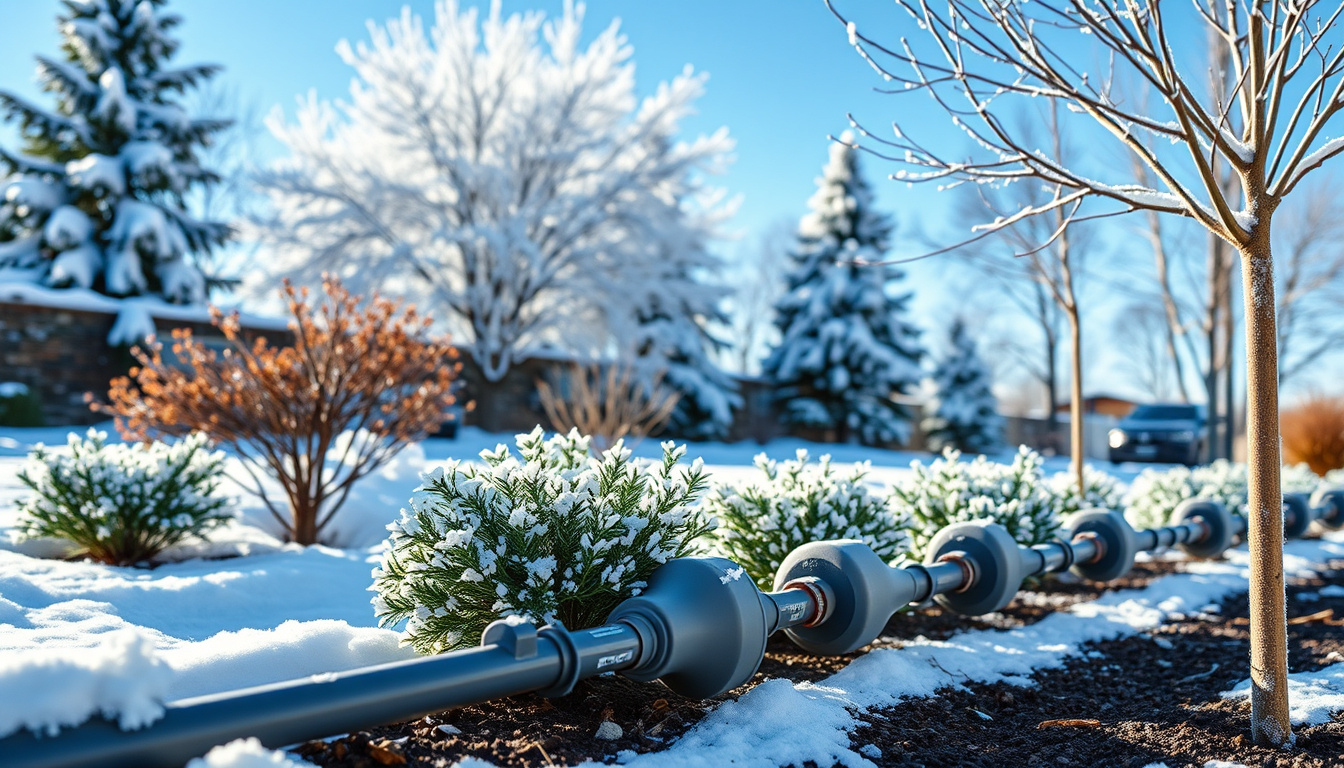
As the colder months approach, preparing your irrigation system for winter is critical to safeguarding your valuable landscape investment. Freezing temperatures can cause water trapped in pipes and components to expand, leading to costly damage such as cracked pipes, broken valves, and malfunctioning backflow preventers. Understanding the best practices for winterization can save you time, money, and repair headaches come spring.
This guide synthesizes expert advice from industry leaders to help homeowners and landscape professionals master irrigation system winterization with confidence.

Why Winterize Your Irrigation System?
When water freezes, it expands by about 9%, exerting tremendous pressure inside irrigation components. This can:
- Crack rigid PVC and burst flexible polyethylene pipes
- Damage backflow prevention devices by freezing water inside their bodies
- Cause valves and fittings to break, leading to leaks and irrigation failure
Winterizing your irrigation system removes or neutralizes water before freezing occurs, preventing extensive damage and prolonging the life of your system.
Methods of Winterizing Irrigation Systems
Two primary methods are utilized depending on climate severity and system design: Manual Drain Method and Blow-Out Method.
1. Manual Drain Method
Ideal for systems installed with drainage valves at low points and pipe ends, this method involves:
- Shutting off the water supply to the irrigation system at the main shutoff valve, usually located near the water meter or backflow device.
- Opening all manual drain valves to allow water to escape from pipes.
- Draining any remaining water from backflow devices and valves by opening test cocks and isolation valves.
- Allowing water inside sprinkler bodies with check valves to drain by lifting the sprinkler heads.
Note: This method requires confirmation that your system includes manual drain valves. It’s generally safer but less thorough than blow-out for colder climates.
2. Blow-Out Method
Used in regions with prolonged or severe freezing temperatures, the blow-out method forcibly removes water using compressed air:
- Attach an appropriately rated air compressor to the irrigation mainline after the backflow device.
- Wear ANSI-approved safety eye protection to prevent injury from pressurized air or debris.
- Shut off irrigation water supply and close backflow isolation valves.
- Open zones or stations starting from the furthest from the compressor and slowly introduce compressed air, ensuring pressure does not exceed limits (50 psi for polyethylene, 80 psi for PVC).
- Run air through each zone until no water is visible from the sprinkler heads (usually 2+ minutes per zone).
- Avoid blowing air through backflow preventers or pumps; drain these separately to prevent damage.
- After blowing out the system, relieve pressure, open backflow device test cocks, and leave isolation valves partially open to expel trapped water.
Professional Assistance Recommended: Due to its complexity and safety concerns, hiring a licensed irrigation professional for the blow-out method is strongly advised.
Winterizing System Components
Properly preparing individual components enhances protection:
- Controllers: Set automatic controllers to "rain mode" or “off” to prevent valve activation. Leave power on if possible to avoid condensation. For controllers with pump controls, disconnect the pump wires to prevent accidental startup.
- Backflow Preventers and Valves: Insulate above-ground valves and backflow devices with foam insulation tape or insulated covers. Avoid blocking ventilation or drainage ports.
- Flow Sensors: Remove any flow or moisture sensors prior to blow-out, as compressed air can damage them.
- Above-ground Piping: Wrap with foam insulating tubes or tape to reduce freeze risk.
- Rain Sensors: Clear water and cover the sensor to prevent ice formation.
Step-by-Step Winterization Checklist
- Turn off water supply to irrigation system at the main valve.
- Shut down or set controller to rain mode/off.
- Drain water from pipes:
- Use manual drain valves or
- Perform blow-out with compressed air (preferably by a professional).
- Drain and insulate backflow devices and above-ground valves.
- Remove sensitive components such as flow sensors.
- Insulate above-ground pipes and components.
- Open test cocks and backflow isolation valves partially to release trapped water.
- Check system for remaining water or pressure.
- Store or protect any removable equipment.
Additional Tips for Successful Winterization
- Never blow air directly through backflow preventers or pumps.
- Do not exceed recommended air pressure for your pipe material.
- Avoid prolonged compressor use; cycling air in short bursts per zone minimizes heat buildup.
- Never stand directly over irrigation components during blow-out.
- If unsure about your system’s winterization needs, consult a licensed irrigation professional.
Conclusion
Proper irrigation system winterization is essential in freezing regions to prevent freeze damage and costly repairs. Whether utilizing manual draining or air blow-out methods, the goal is to remove water and protect key system parts from ice expansion damage. Armed with insulation, careful draining, and controller management, homeowners can safeguard their irrigation investment year after year. When in doubt, professional assistance ensures safe and thorough winterization, giving you peace of mind for the off-season and readiness for spring revival.
By mastering these essential winterization steps, you protect not only your irrigation hardware but also the health and beauty of the landscape that depends on it. Taking preventive action now means your system will be ready to perform at its best when the growing season returns.
5280 Sprinklers – specializing in irrigation maintenance and repair in and around Denver, Colorado