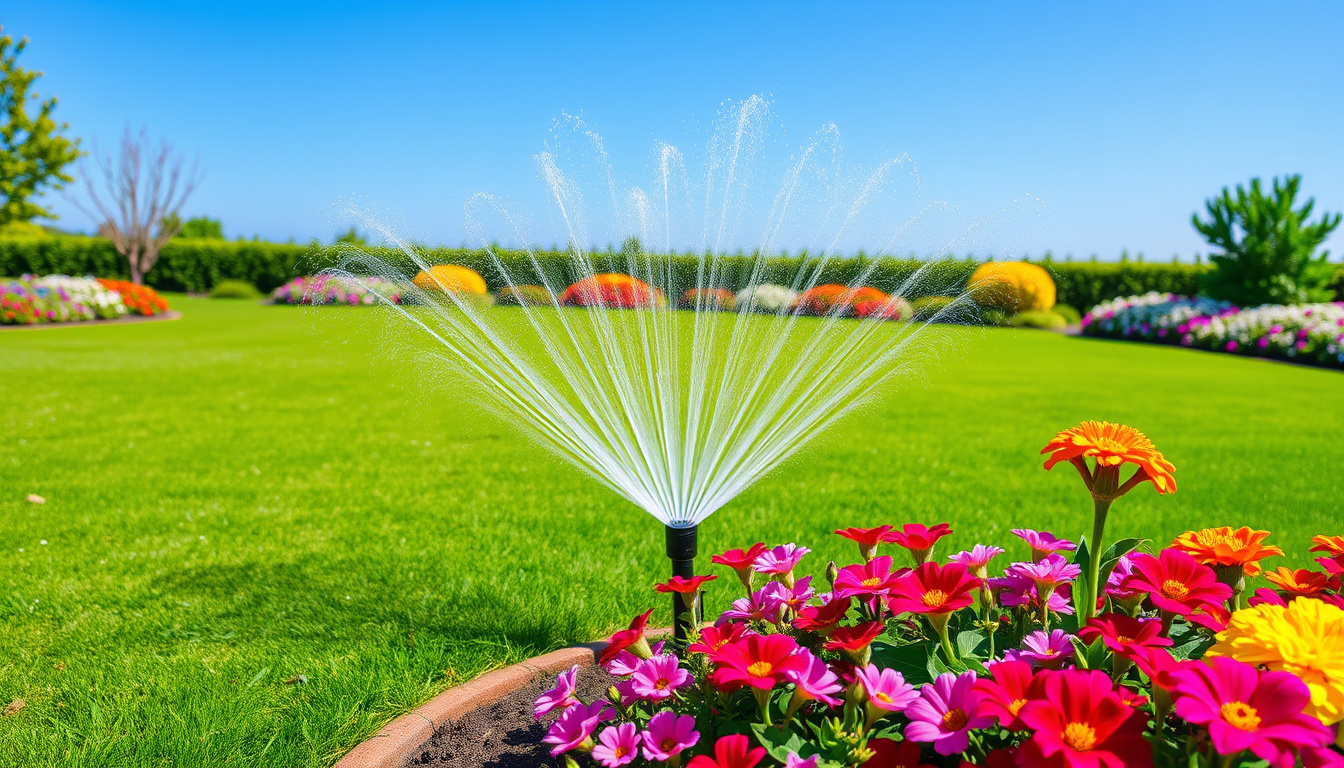
Spring signals the perfect time to awaken your sprinkler system from its winter dormancy and prepare your lawn for the nourishing waters it needs to thrive. Proper sprinkler startup safeguards the system against damage, optimizes water use, and ensures your garden’s health throughout the growing season. This comprehensive guide covers everything you need to know to confidently and safely start up your sprinkler system for a lush, green lawn.
Why Is a Proper Sprinkler Startup Important?
After months of inactivity during freezing winter conditions, your irrigation system is vulnerable to leaks, blockages, or mechanical failures when reactivated. An improper startup — such as suddenly flooding the pipes or skipping inspections — can cause burst pipes, valve failures, or wasted water. Following a careful startup procedure:
- Prevents damage from winter wear and tear
- Removes trapped air in pipes for smooth water flow
- Ensures backflow preventers function correctly to protect your water supply
- Optimizes watering efficiency, promoting healthy grass and plants
- Saves you money by avoiding costly repairs and conserving water
Step-by-Step Sprinkler Startup Process

1. Inspect the System Components
Begin by visually inspecting critical parts of the system, especially the backflow preventer, for any signs of damage such as cracks, leaks, or loose drain plugs. The backflow preventer is vital as it stops contaminants like fertilizers and pesticides in your irrigation water from entering the clean water supply.
Make sure all valves — including ball valves and test cock valves — are in the closed position before turning the water supply back on.
2. Slowly Turn On Water to Charge the System
Inside your home or basement, locate the irrigation system’s main shutoff valve. Open this valve very slowly to gently allow water into the pipes. This gradual approach prevents water hammer — sudden pressure surges that can crack pipes or break sprinkler parts.
As water fills the lines, listen for the gurgling or flowing sounds indicating water movement. When the water stops audibly moving, you can open the valves fully to charge the backflow preventer and the system.
3. Open Spring Drains and Check for Water Discharge
If your system has winterized by using spring drains or blowouts, ensure these are closed properly. Opening valves on the backflow device or control valves can release any trapped water or air. Expect some water to come out at first; this is normal. Once the system is charged, air should be expelled continuously by running each zone.
4. Manually Activate Each Zone to Bleed Air and Test Operation
Use your irrigation controller to manually activate each zone (station). Walking through your property, observe each sprinkler head for:
- Proper rotation and spray pattern
- Adequate coverage without overspray or gaps
- Signs of damage or blockages
- Low pressure indicating leaks or line breaks
Clean or replace clogged filters and adjust heads to the correct grade for even watering.
5. Program the Controller for Seasonal Watering
Once all zones are verified operational, reprogram your irrigation controller for automatic watering schedules tailored to your region’s climate, plant types, and soil conditions. Don’t forget to replace the controller’s backup battery if needed to avoid schedule loss during power outages.
6. Clean and Maintain Sensors if Installed
If your system includes weather- or soil-based sensors (such as Hunter’s Solar Sync), uncover and clean them to ensure accurate readings. These sensors help automatically adjust watering based on local weather, improving water efficiency and protecting your landscape.
Tips for A Successful Sprinkler Startup
- Go slow: Opening valves gradually prevents damage and helps catch leaks early.
- Check the backflow preventer annually: Have a professional test it to maintain safe drinking water standards.
- Hire a professional: Irrigation contractors provide expert knowledge on hydraulics, system layout, and plant needs, guaranteeing optimal function and water savings.
- Use smart irrigation technology: Investing in weather-responsive controllers or sensors promotes efficient watering year-round.
- Regular maintenance: Throughout the season, routinely inspect and clean sprinkler heads and filters to keep your system performing at its best.
Conclusion
Starting up your sprinkler system properly in the spring is critical to preserving system integrity, achieving water efficiency, and ensuring your lawn and garden flourish all season long. By following a methodical approach—starting with inspection, slow water charging, zone testing, and thoughtful programming—you unlock the full potential of your irrigation system and enjoy a lush, verdant landscape.
Water smart and care for your system now to enjoy the beauty and health of your garden throughout the year. Here’s to greener lawns ahead!
5280 Sprinklers – specializing in irrigation maintenance and repair in and around Denver, Colorado