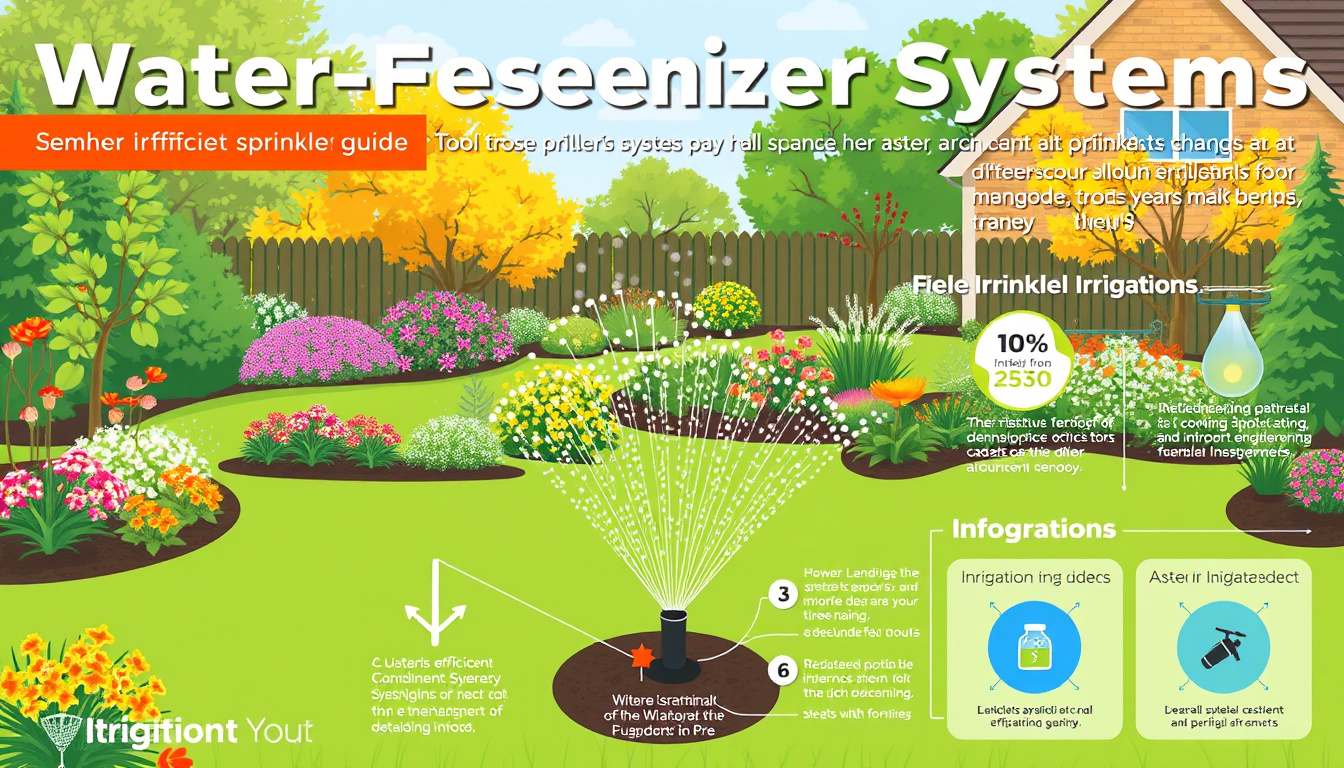
Effective irrigation is essential for maintaining healthy landscapes while conserving water resources. A well-executed sprinkler system audit helps homeowners, landscape professionals, and agricultural managers optimize water use, reduce waste, and improve system reliability. This guide delves into the purpose, procedures, and benefits of conducting sprinkler system audits to achieve optimal irrigation efficiency.
What Is a Sprinkler System Audit?
A sprinkler system audit is a thorough evaluation of an irrigation system designed to assess its performance, efficiency, and functionality. The audit involves inspecting system components, measuring water distribution uniformity, analyzing run times, and identifying opportunities for improvement in water use.
Whether for residential lawns, commercial landscapes, golf courses, or agricultural fields, an irrigation audit helps ensure that water is applied evenly and only where it is needed, thereby maximizing water savings and plant health.
Why Conduct a Sprinkler System Audit?
The primary goals of a sprinkler system audit include:
- Maximizing Water Efficiency: Determine if water is distributed uniformly and applied at appropriate rates.
- Reducing Water Waste: Identify leaks, broken sprinkler heads, overspray, and irrigation in non-target areas.
- Optimizing Irrigation Scheduling: Develop run times based on plant water requirements and system performance.
- Enhancing System Reliability: Recommend maintenance or upgrades to prevent malfunction.
- Saving Costs: Lower water bills and reduce energy usage through efficient irrigation.
- Supporting Water Conservation: Contribute to regional and environmental water-saving goals.
Regular audits, ideally conducted annually in the spring before the growing season, are recommended to maintain system effectiveness.
Key Steps in a Sprinkler System Audit
1. System Inspection
Start by running each irrigation zone individually to observe system operation. During this phase, look for:
- Broken, clogged, or leaking sprinkler heads
- Incorrect water pressure (too low or too high)
- Water spraying onto sidewalks, driveways, streets, or buildings
- Misaligned sprinklers or inadequate coverage areas
Repairs and adjustments should be made to correct these issues, ensuring that water is delivered only where intended.

2. Performance Testing Using Catch Cans
To measure water distribution uniformity and precipitation rates, place catch cans (such as tuna or coffee cans) in a grid pattern across the irrigated zones:
- For spray-type sprinklers, space cans approximately 5 to 8 feet apart.
- For rotary or rotor sprinklers, cans can be spaced 10 to 20 feet apart.
- Use at least 20 catch cans per zone for accurate results.
Run the zone for 30 to 60 minutes, then measure and record the depth of water collected in each can.
3. Calculations for Scheduling and Uniformity
-
Precipitation Rate: Calculate by dividing the average water depth by the duration the system ran. For example, if the average depth is 0.75 inches after 30 minutes, the precipitation rate equals 1.5 inches per hour. This informs how long each zone should run to meet targeted watering needs.
-
Uniformity Coefficient: Calculate by dividing the average water depth of the lowest 25% catch cans by the overall average depth. For instance, if the lowest catch cans average 0.5 inches and overall average is 0.75 inches, uniformity is 0.67 or 67%. A uniformity below 60% indicates the system requires adjustment to avoid dry or overwatered patches.
4. Develop Improved Irrigation Schedules
Using the data collected, design irrigation schedules tailored to the precipitation rates and plant water requirements. Adjust run times accordingly for each zone to apply water evenly and efficiently.
5. Maintenance Recommendations
Based on audit findings, implement necessary repairs and maintenance such as:
- Replacing broken or inefficient nozzles
- Adjusting sprinkler head spacing and alignment
- Correcting system pressure through pressure regulators or valves
- Installing advanced controllers or moisture sensors for smarter irrigation management
Benefits of a Sprinkler System Audit
Conducting regular audits provides tangible benefits:
- Water and Cost Savings: Efficient watering reduces waste and utility bills.
- Improved Plant Health: Uniform irrigation promotes healthy growth and reduces disease caused by overwatering.
- Enhanced Equipment Longevity: Timely maintenance prevents damage and extends system life.
- Environmental Conservation: Responsible water use helps protect local water resources and complies with regulations.
- Informed Decisions: Audits provide actionable data to prioritize irrigation improvements and investments.
Professional Certification and Resources
For landscape and irrigation professionals, becoming certified in irrigation auditing enhances credibility and skill. Organizations such as the Irrigation Association offer comprehensive resources, guidelines, and certification programs tailored to various irrigation sectors including residential, commercial, golf, and agriculture.
Homeowners can also access extension services and educational materials from universities and water agencies to conduct basic audits themselves.
Conclusion
Sprinkler system audits are a vital tool in unlocking water efficiency and optimizing irrigation performance. By systematically inspecting, testing, and adjusting irrigation systems, users can conserve water, reduce costs, and sustain vibrant landscapes. Annual audits paired with proactive maintenance and smart scheduling create a roadmap for sustainable and effective irrigation management.
References:
- Irrigation Association, Irrigation Auditing Resources
- University of Minnesota Extension, Auditing Home Lawn Irrigation Systems
5280 Sprinklers – specializing in irrigation maintenance and repair in and around Denver, Colorado